





1. What is a $LAW Wallet?
A $LAW wallet is a digital interface designed to interact with the Bitcoin ecosystem, specifically tailored to manage $LAW, the native token of the OYL ecosystem. Operating on the BTC blockchain, $LAW is designed to facilitate transactions and governance within the Bitcoin ecosystem, specifically associated with the OYL (Ordinals/Bitcoin) infrastructure.
Because $LAW functions within the Bitcoin network, a compatible wallet must support the unique characteristics of the BTC chain, including UTXO (Unspent Transaction Output) management and Ordinals protocols. Using a specialized wallet like Bitget Wallet ensures that you can interact with these decentralized protocols without compromising the integrity of your digital assets.
2. Download Bitget $LAW Wallet
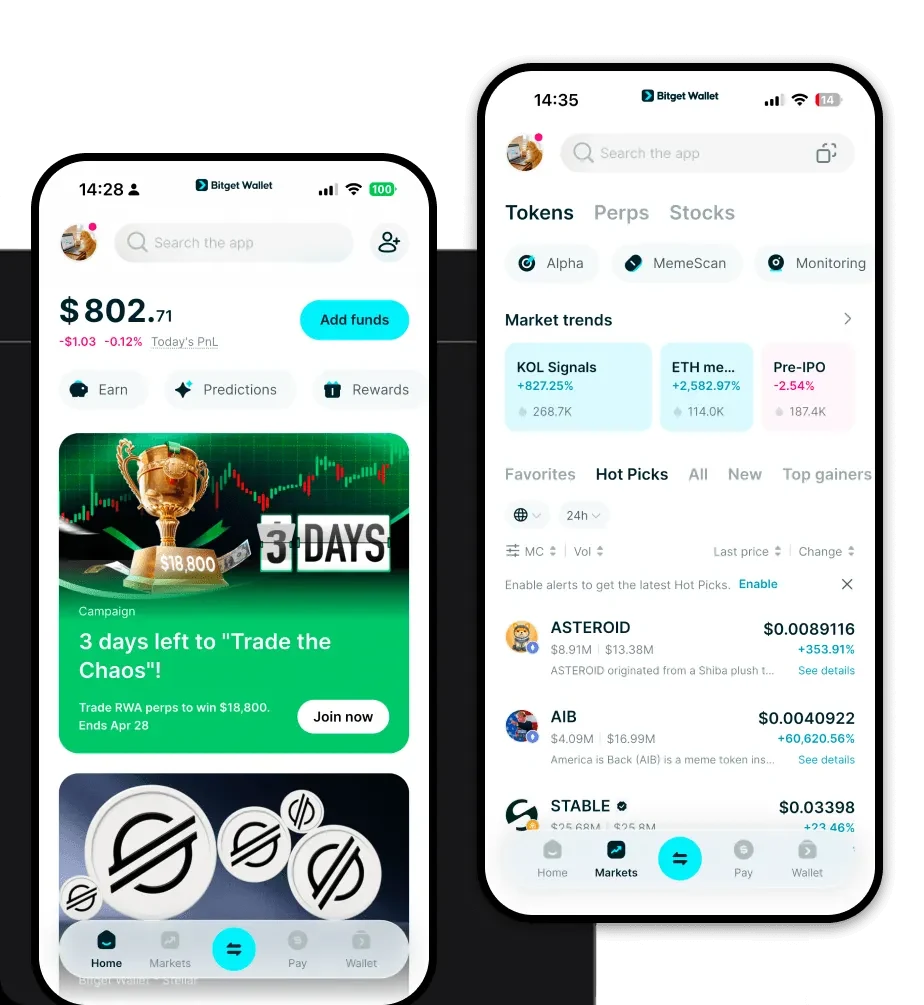
Managing your Bitcoin-native assets requires a tool that balances user-friendly design with robust security. Bitget Wallet offers a comprehensive solution for $LAW holders, providing a non-custodial environment where you retain full control over your private keys. Whether you are a desktop user or prefer mobile accessibility, you can download Bitget Wallet to get started across iOS, Android, or browser extensions.
The application is built to handle the complexities of the Bitcoin ecosystem, offering a unified interface that supports hundreds of chains and millions of tokens. By choosing a non-custodial wallet, you ensure that your $LAW tokens are stored securely on-chain, protected from centralized exchange risks, while enjoying the flexibility of a multi-chain platform.
3. Why Choose Bitget $LAW Wallet?
- Native Bitcoin & Ordinals Support: Unlike generic wallets, Bitget Wallet is architected to handle the nuances of the Bitcoin network, providing seamless integration for Ordinals and BRC-20 assets.
- Robust Security Architecture: With a $300 million user protection fund, Bitget Wallet provides an extra layer of security for users interacting with high-value infrastructure assets like $LAW.
- UTXO Management Efficiency: The wallet is optimized for the UTXO model, ensuring that transaction fees are calculated accurately and that your Bitcoin-based assets remain organized and spendable.
- Infrastructure-Ready Interface: Designed for power users, the interface allows for easy interaction with decentralized governance protocols and cross-chain bridges without switching between multiple apps.
4. How to Create a $LAW Wallet
Setting up your wallet is a straightforward process designed to prioritize your security from the first click:
- Download & Install: Visit the official website to download the Bitget Wallet app for your preferred device (Mobile or Extension).
- Create a New Wallet: Open the app and select 'Create a Wallet.' You will be prompted to set a strong, unique password for the application.
- Backup Your Seed Phrase: This is the most critical step. Write down your 12-word recovery phrase on paper and store it in a secure, offline location. Never share this with anyone.
- Verify Seed Phrase: The app will ask you to re-enter the phrase to ensure you have recorded it correctly.
- Access Your Address: Once verified, you will be taken to the main dashboard. Click 'Add Token' or search for your asset to view your unique BTC-based address for receiving $LAW.
5. What Can You Do With a $LAW Wallet?
Owning $LAW through a capable wallet opens up several functional pathways within the OYL ecosystem:
- Governance Voting: Participate directly in decentralized decision-making by using your $LAW to vote on protocol upgrades and ecosystem proposals.
- Staking for Network Security: Lock your tokens to help secure the network infrastructure, effectively contributing to the stability of the OYL ecosystem while earning potential rewards.
- Transaction Fee Payment: Utilize your $LAW tokens as the native medium for settling fees within the OYL infrastructure, streamlining your interactions.
- Ecosystem Participation: Engage with various DApps and services built on the Bitcoin layer, using your wallet as a secure portal for decentralized identity.
- Cross-Chain Asset Bridging: Leverage the wallet's built-in bridge features to move your assets across compatible protocols, expanding the utility of your $LAW holdings.
6. How $LAW Wallets Are Different from Other Crypto Wallets
Not all wallets are built the same, particularly when dealing with Bitcoin-based infrastructure tokens like $LAW. Most standard crypto wallets are designed for the Ethereum (EVM) account-based model, which tracks balances as a single number. In contrast, a $LAW wallet must operate on the UTXO model, where assets are tracked as individual 'unspent outputs.' This requires the wallet to manage transaction inputs and outputs carefully to avoid potential fee errors.
Furthermore, because $LAW is deeply integrated with the Bitcoin and Ordinals ecosystem, your wallet needs specialized support for inscription handling and taproot addresses. While an EVM wallet focuses on gas fees for smart contract execution, a $LAW wallet focuses on the precise management of BTC-native transactions, ensuring that your participation in governance or staking is recorded accurately on the most secure blockchain in existence.
