





What is a Flint Wallet?
A Flint wallet is a specialized digital interface designed to interact with the Flint ecosystem, which operates primarily on the EVM (Ethereum Virtual Machine) blockchain. By holding your assets in a compatible wallet, you gain direct access to the decentralized applications (dApps) and protocols built within this network. Flint is a project focused on bridging traditional finance and decentralized finance, often associated with the Flint ecosystem that aims to provide yield-generating products and simplified crypto access for users. Because it is built on EVM infrastructure, interacting with Flint requires a wallet that supports smart contracts and token standards compatible with Ethereum-based networks.
Download Bitget Flint Wallet
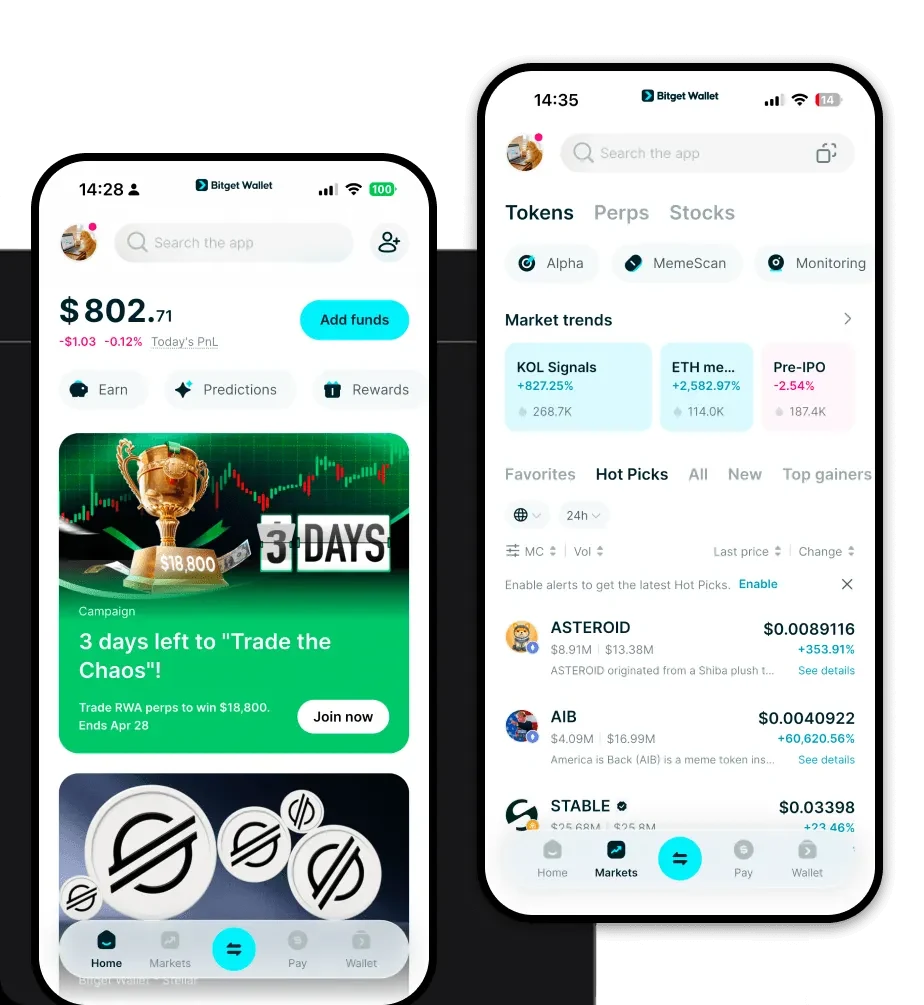
To fully utilize your Flint assets, you need a robust, secure, and intuitive interface. We recommend you download Bitget Wallet to get started. This platform provides a comprehensive gateway to the blockchain, offering a truly decentralized experience where you maintain full control over your private keys. Whether you are using a desktop browser, an iOS device, or an Android phone, Bitget Wallet ensures a consistent experience across all platforms. With built-in support for over 130 public chains and millions of tokens, it acts as a unified hub for your entire portfolio, removing the need to juggle multiple apps for different assets.
Why Choose Bitget Flint Wallet?
Selecting the right wallet is crucial for navigating the EVM landscape efficiently. Bitget Wallet stands out for several key reasons:
- EVM Ecosystem Integration: As a dedicated EVM-compatible wallet, Bitget ensures seamless interaction with smart contracts, allowing you to connect to DeFi protocols without compatibility issues.
- Advanced Yield Generation Tools: The wallet is purpose-built to help you interact with yield-generating products, making it easier to track and claim your returns within the Flint ecosystem.
- Cross-Chain Interoperability: Bitget Wallet aggregates hundreds of DEXs and cross-chain bridges, allowing you to swap Flint or other assets across different networks with minimal friction.
- Simplified User Experience: Designed for both beginners and veterans, the interface simplifies complex DeFi interactions, reducing the learning curve for participating in liquidity provision and staking.
- Robust Security Framework: With a $300 million user protection fund and advanced encryption, your assets are shielded against common threats, providing peace of mind while you explore decentralized finance.
How to Create a Flint Wallet
Setting up your wallet is a straightforward process. Follow these five steps to secure your digital assets:
1. Download the App: Visit the official Bitget Wallet website or your device's app store to download and install the application.
2. Create a New Wallet: Open the app and select 'Create a Wallet.' You will be prompted to set a strong, unique password for your device.
3. Backup Your Seed Phrase: The app will generate a 12-word mnemonic recovery phrase. Write this down on paper—never store it digitally—and keep it in a secure, offline location. This is the only way to recover your funds.
4. Verify and Confirm: Follow the on-screen prompts to verify your seed phrase, ensuring you have recorded it accurately.
5. Import or Receive Flint: Once your wallet is active, you can view your Flint wallet address. Use this address to transfer your tokens from an exchange or another wallet to begin your DeFi journey.
What Can You Do With a Flint Wallet?
Once you have set up your wallet, you unlock the full potential of the Flint ecosystem. Here are the primary use cases you can engage with:
Staking: You can lock your Flint tokens into smart contracts to support network security and earn passive rewards over time.
Yield Farming: Utilize your assets to provide liquidity to various pools, allowing you to earn additional tokens as a reward for your contribution to the ecosystem's liquidity.
Asset Management: The wallet provides a clear dashboard to track your portfolio performance, view historical transactions, and monitor the value of your holdings in real-time.
Liquidity Provision: By supplying assets to decentralized exchanges, you help facilitate trading for other users while earning a share of the transaction fees generated by the platform.
How Flint Wallets Are Different from Other Crypto Wallets
When dealing with an EVM-based project like Flint, your wallet choice matters significantly. Unlike older Bitcoin-based wallets that utilize the UTXO (Unspent Transaction Output) model, a Flint wallet is built on the account-based model used by EVM chains. This allows for more complex smart contract interactions, which are essential for DeFi activities like yield farming. Furthermore, because the EVM environment relies on gas fees for transaction processing, a high-quality wallet like Bitget helps you optimize these costs by suggesting the right gas settings for current network congestion. This ensures your transactions are processed at the right speed without overpaying, providing a distinct advantage over generic wallets that lack advanced network interaction tools.
