





What is a 1c Wallet?
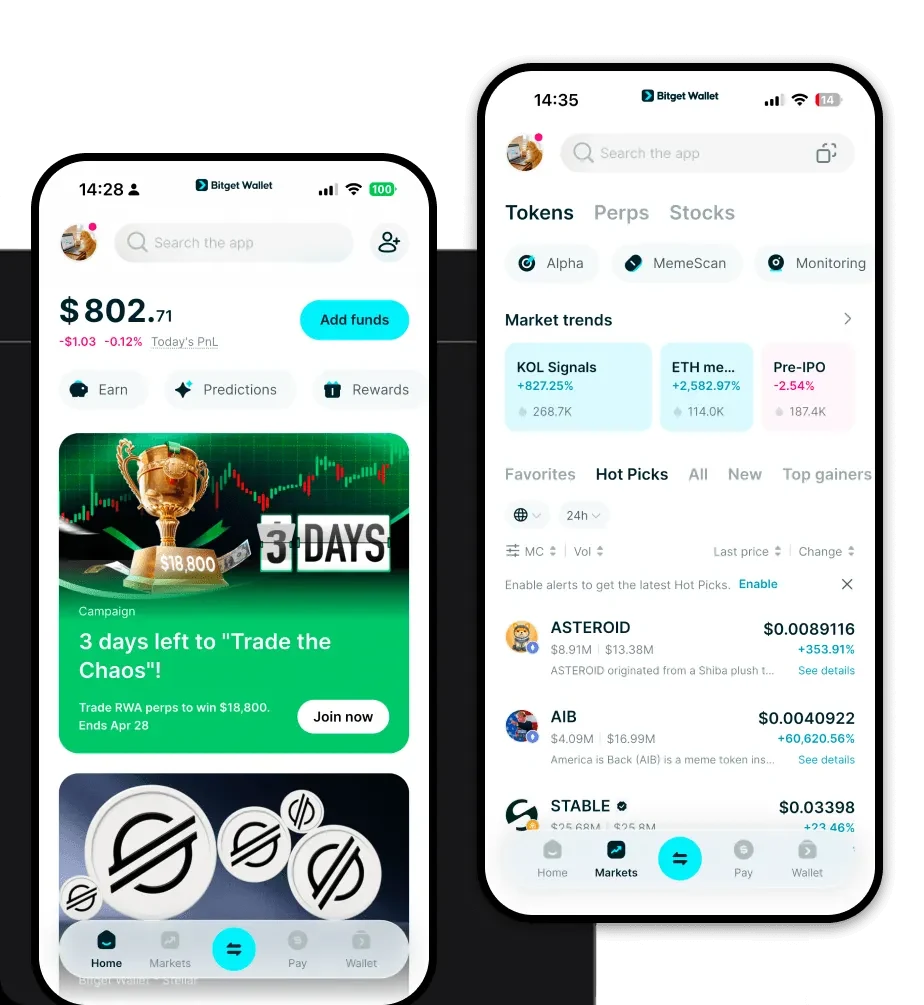
A 1c wallet is a specialized digital interface designed to interact with the 1c token, an asset operating within the Ethereum Virtual Machine (EVM) ecosystem. Because 1c is built on EVM-compatible architecture, it requires a wallet that can interpret smart contracts and manage tokens across decentralized networks. 1C is a digital asset that can be securely stored and managed using the Bitget Wallet, which is trusted by 40 million users for exploring Web3.
Using a dedicated wallet like Bitget Wallet allows you to interact directly with the blockchain without relying on centralized exchanges. This means you hold the private keys to your 1c assets, giving you full sovereignty over your investments while maintaining the ability to participate in the broader DeFi landscape.
Download Bitget 1c Wallet
To start managing your 1c tokens effectively, you need a robust, multi-chain gateway. Bitget Wallet offers a comprehensive solution that serves as your primary bridge to the Web3 world. It supports a vast array of chains and tokens, ensuring that your 1c assets are always accessible, whether you are on the go or at your desktop.
Bitget Wallet prioritizes user sovereignty through non-custodial architecture, meaning you are the sole controller of your private keys. You can download Bitget Wallet across various platforms, including iOS, Android, and browser extensions, providing a seamless experience regardless of your preferred device. By centralizing your assets in one place, you eliminate the fragmentation often associated with managing multiple portfolios.
Why Choose Bitget 1c Wallet?
Selecting the right wallet is crucial for EVM-based assets like 1c, especially when engaging in DeFi protocols. Here is why Bitget Wallet stands out for 1c holders:
- Native EVM Compatibility: Bitget Wallet is built to handle the complexities of the EVM ecosystem, allowing for smooth token approvals, DApp connections, and smart contract interactions without compatibility errors.
- Advanced DeFi Aggregation: As a DeFi-centric user, you benefit from built-in DEX aggregators that scan hundreds of liquidity pools to ensure you receive the best rates for your 1c trades.
- Comprehensive Security Infrastructure: With a 300 million USD protection fund and robust encryption, Bitget Wallet adds an extra layer of defense against malicious DApps and phishing attempts.
- Seamless Cross-Chain Capabilities: If you ever need to bridge your assets or interact with other chains, the wallet's integrated cross-chain bridge handles the technical heavy lifting, keeping gas fees optimized and transactions fast.
How to Create a 1c Wallet
Creating your 1c wallet is a straightforward process designed to get you up and running in minutes:
- Download and Install: Visit the official website or your app store to download Bitget Wallet for your specific device.
- Initialize Your Wallet: Open the app and select 'Create New Wallet'. You will be prompted to set a strong, unique password to protect the app locally.
- Secure Your Backup: The most critical step is backing up your recovery phrase (seed phrase). Write it down on paper—never store it digitally—and keep it in a safe location.
- Add 1c Token: Once your wallet is active, use the 'Add Token' feature. Search for 1c or add it via its contract address on the EVM network to ensure it appears in your dashboard.
- Sync and Connect: You are now ready. Your wallet address is automatically generated; you can use this to receive 1c or connect to any DApp to begin your DeFi journey.
What Can You Do With a 1c Wallet?
A 1c wallet is more than just a storage vault; it is a functional tool for participating in the decentralized economy. Here are the primary use cases:
- Trading: You can execute high-speed trades directly within the wallet interface by utilizing aggregated DEX liquidity, ensuring you can swap 1c for other tokens at competitive prices.
- Asset Storage: The wallet provides a secure, non-custodial environment where you can hold your 1c tokens long-term, protected by your private keys rather than a third-party server.
- Portfolio Management: You can track your 1c balance and overall performance in real-time, utilizing the wallet's analytics tools to monitor market changes and historical transaction data.
- Web3 Interaction: You can connect your wallet to decentralized finance protocols, NFT marketplaces, and governance platforms, allowing you to stake 1c or participate in yield farming opportunities within the EVM ecosystem.
How 1c Wallets Are Different from Other Crypto Wallets
Not all wallets are created equal, especially when dealing with EVM-based tokens like 1c. Unlike wallets designed for UTXO-based chains (like Bitcoin), which focus on address reuse and specific transaction inputs, a 1c wallet is built on the account-based model.
This means that every interaction with your 1c tokens—whether swapping, staking, or providing liquidity—is processed as a state transition on the EVM blockchain. Bitget Wallet optimizes this by managing gas fees intelligently, preventing the common issue of 'stuck' transactions. Furthermore, while legacy wallets might struggle with complex DApp connections, Bitget Wallet is engineered for high-frequency interaction, ensuring that your DeFi activities remain fast, cost-effective, and fully compatible with the latest EVM standards.
