





What is an ECU Wallet?
An ECU wallet is a digital interface designed to interact with the ECU token, which operates primarily within an EVM (Ethereum Virtual Machine) compatible ecosystem. As a digital asset, ECU serves as a vital component within its specific ecosystem, often associated with wallet support and Web3 exploration platforms like Bitget Wallet, providing users with secure storage and management options. Because it is built on the EVM architecture, ECU is natively compatible with the vast array of decentralized applications and infrastructure that support the Ethereum standard, making it highly interoperable across various platforms.
Download Bitget ECU Wallet
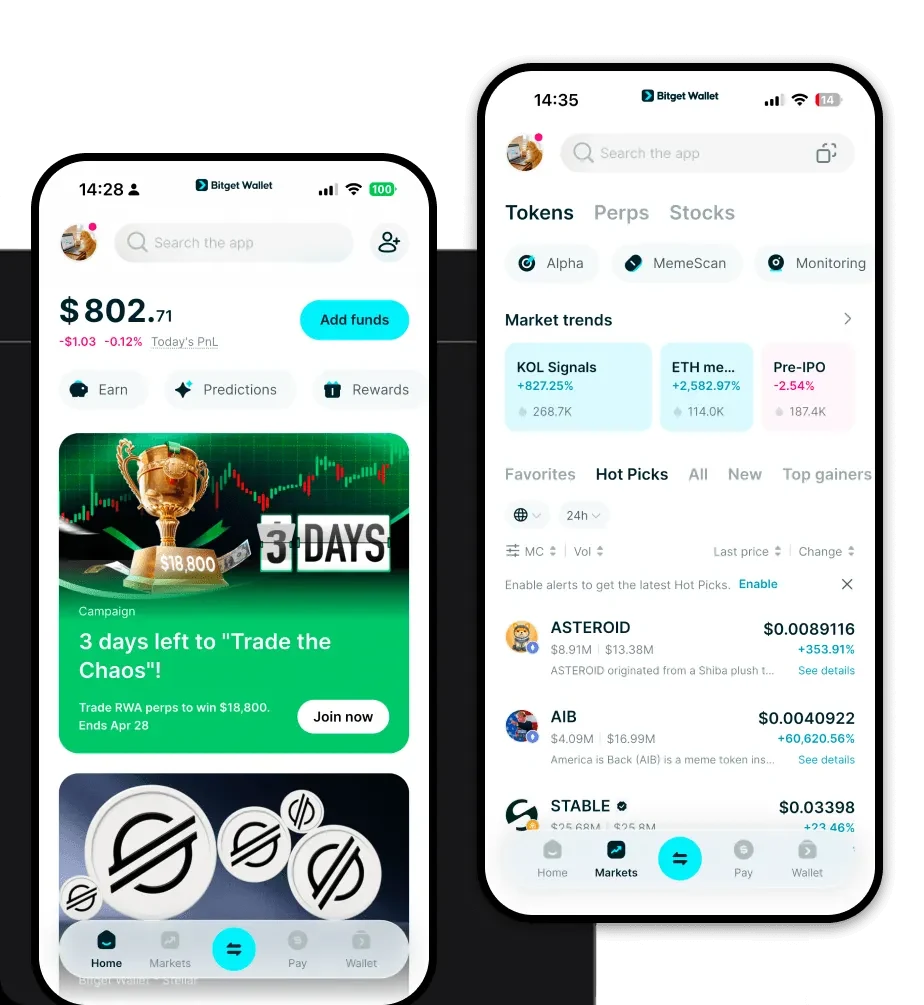
To start managing your assets, you need a reliable gateway. The Bitget Wallet app provides a seamless experience for ECU holders, ensuring that you have full control over your digital assets. Whether you are on the move or working from a desktop, this wallet offers a unified solution for multi-chain support and private key self-custody. Users can access the platform across iOS, Android, and browser extensions, ensuring that your ECU is always accessible when you need it. To get started, you can download Bitget Wallet and begin your journey into secure Web3 management.
Why Choose Bitget ECU Wallet?
Choosing the right tool for an EVM-based token like ECU is critical for efficiency and security. Bitget Wallet stands out for several key reasons:
- EVM Native Compatibility: Because ECU operates on the EVM standard, Bitget Wallet allows you to connect instantly to DeFi protocols, liquidity pools, and NFT marketplaces without complicated configuration.
- Advanced Asset Security: With a $300M+ user protection fund, the wallet adds an extra layer of defense for your ECU holdings, protecting you against malicious smart contracts and phishing threats.
- Gas-Efficient Transactions: The wallet features intelligent gas fee estimation and optimization, ensuring you never overpay when executing ECU transactions on the network.
- Cross-Platform Interoperability: Whether you prefer mobile apps or desktop browser extensions, your ECU data and assets sync perfectly, providing a seamless user experience.
- DApp Ecosystem Access: Explore the broader Web3 landscape directly from your wallet with an integrated browser that makes connecting to ECU-supported dApps simple and safe.
How to Create an ECU Wallet
Setting up your wallet is a straightforward process designed for both beginners and experienced users. Follow these steps to secure your ECU:
- Download and Install: Visit the official Bitget Wallet website and install the application for your preferred device (iOS, Android, or browser extension).
- Create New Wallet: Open the app and select 'Create New Wallet.' You will be prompted to set a strong, unique password for the app interface.
- Backup Your Mnemonic Phrase: This is the most crucial step. Write down your secret recovery phrase on paper and store it offline. Never share this with anyone.
- Verify Setup: Confirm your recovery phrase when prompted to ensure you have copied it correctly.
- Import or Receive ECU: Once your wallet is active, you can import existing holdings or tap 'Receive' to copy your wallet address and transfer your ECU tokens from an exchange.
What Can You Do With an ECU Wallet?
Once your wallet is set up, you unlock the full potential of your ECU tokens through various Web3 activities:
- Asset Storage: Safely hold your ECU in a non-custodial environment where you maintain total control over your private keys, ensuring your funds are not held by third-party exchanges.
- Token Trading: Use the built-in DEX aggregator to swap ECU for other assets directly within the wallet interface, benefiting from deep liquidity and competitive rates.
- Wallet-based Transactions: Send ECU to friends, family, or merchants globally by simply entering their wallet address, with transactions confirmed on the blockchain in seconds.
- Web3 dApp Interaction: Connect your wallet to various decentralized platforms to stake your ECU, participate in governance, or engage with ecosystem-specific utility protocols.
How ECU Wallets Are Different from Other Crypto Wallets
Not all wallets are built the same, particularly when dealing with EVM-based assets like ECU. Unlike Bitcoin wallets that rely on the UTXO model, an ECU wallet utilizes an account-based model, which is essential for interacting with smart contracts. While Bitcoin wallets focus on transaction inputs and outputs, your ECU wallet manages 'states,' allowing for complex interactions with DeFi protocols. Furthermore, because ECU lives on an EVM chain, you must manage gas fees, which are the computational costs required to process your transaction. Bitget Wallet simplifies this by abstracting the complexity, whereas simpler, non-EVM wallets might fail to support the advanced dApp connectivity that ECU users require for daily operations.
